
Service area
Supplier audits, gap assessments and regulatory audit support
Audits are most useful when they find problems before a regulator or customer does. We audit suppliers, assess sites and documentation against the standards your markets apply, prepare teams for inspection and help you respond clearly when observations are raised. We are an independent consultancy — not a regulator or certification body — so our role is to give you an honest picture and a practical plan.
Services in this area
6 defined services
Each service has a clear scope, deliverables and list of the information we need. Choose a service for details.
Supplier Audits
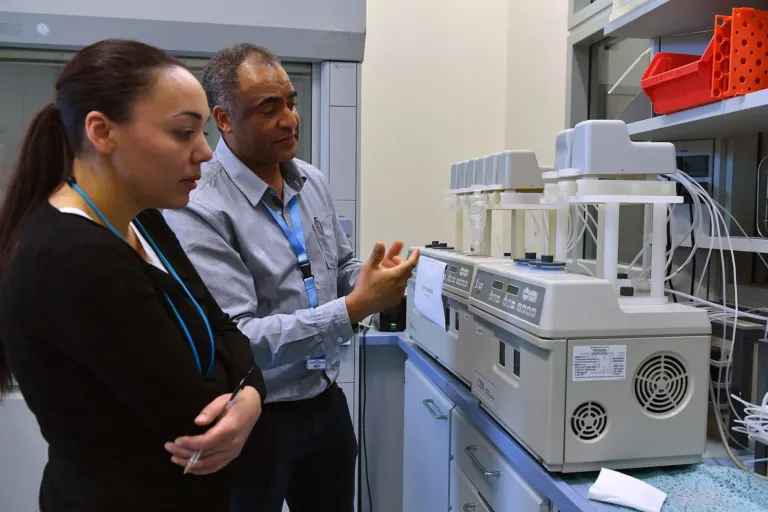
GMP audits of API, excipient, packaging and service suppliers to support qualification and ongoing supplier management.
Gap Assessments
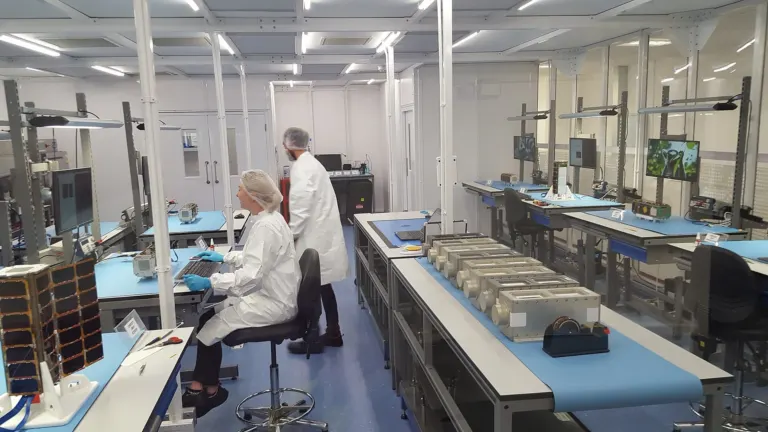
Site and quality-system assessments against WHO GMP, EU GMP, PIC/S, US FDA or Revised Schedule M, with a prioritised remediation plan.

Cause-Based Audits
Independent for-cause audits after serious deviations, complaints, recalls, data-integrity concerns or repeated failures.
Regulatory Gap Analysis
Assess dossiers, DMFs and technical documentation against a target market’s requirements before you submit.

Audit Response Support
Clear, evidenced responses to inspection observations and audit findings, with realistic CAPA plans and follow-up.
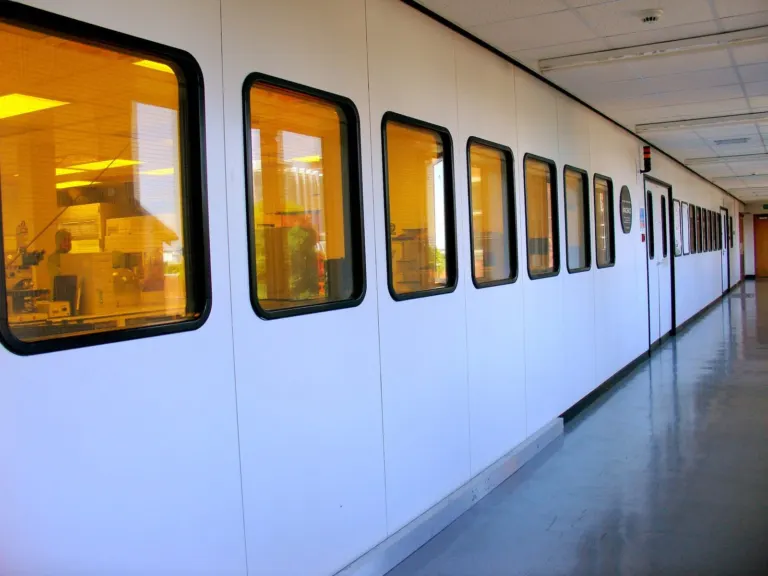
Inspection Readiness
Mock inspections, storyboards, front- and back-room set-up and team coaching ahead of regulatory or customer inspections.
Typical situations
When companies come to us
Qualifying a new API or excipient supplier
Assess the supplier’s GMP compliance before materials enter your supply chain.
Planning an export to a new market
Check whether the site and the dossier meet the importing authority’s expectations.
An upcoming regulatory inspection
Find and fix gaps, and prepare people and documents for the inspection.
A serious deviation, complaint or recall
Investigate root causes and the wider systems that allowed the event.
Observations after an inspection
Prepare a credible, well-evidenced response and a realistic CAPA plan.
Revised Schedule M or other GMP upgrades
Understand what has to change, in what order, and how to evidence it.
Our approach
How we work in this area
Every engagement follows a documented sequence, so your team and reviewers can trace each conclusion back to its data.
- Agree the standard and scopeICH Q7, EU GMP, WHO GMP, PIC/S, US 21 CFR 210/211, Revised Schedule M or a customer standard.
- Review documents firstSite master file, SOPs, records and previous audit or inspection reports.
- Audit on site or remotelyFacility tour, interviews and record review against a structured checklist.
- Grade the findingsCritical, major and minor observations, each linked to the requirement.
- Report and planA clear report with recommended corrective and preventive actions (CAPA).
- Follow upReview of CAPA evidence and, where needed, a follow-up visit.
FAQs
Audits & Gap Assessments: frequently asked questions
Are you a certification body or regulator?
No. Globaxa is an independent consultancy. Our audits and assessments help you understand and improve compliance; they do not grant certification, licences or regulatory approval.
Which standards do you audit against?
Typically ICH Q7 for APIs, EU GMP Parts I and II, WHO GMP, PIC/S PE 009, US 21 CFR Parts 210 and 211, and India’s Revised Schedule M — or your own supplier quality standard.
Can audits be done remotely?
Document reviews and some audits can be done remotely. On-site audits remain the most thorough option for facilities and processes; we will advise which is appropriate.
Is information from audits kept confidential?
Yes. Audit information is treated as confidential and we are happy to sign non-disclosure agreements with both you and the audited supplier.
Not sure which service fits?
Describe your product and the question you need answered. We will recommend the right scope — or tell you if it is outside ours.
- OfficeFlat no 8-9-3/23/1, Subhash Chandra Bose Colony, Dathunagar, Kanchanbagh, Hyderabad, Telangana 500058, India
Open in Google Maps - Phone+91 81219 33381
+91 99894 74590 - Emailbd@globaxa.in
- Office hoursMonday to Friday, 10:00–19:00 IST